Devuthani Ekadashi 2026: Vishnu's Awakening, Tulsi Vivah, and What This Day Actually Means
By Gautam Sharma | Founder, Sadhna.co Published: March 2024 | Last Updated: March 2026
Devuthani Ekadashi falls on the eleventh day of the waxing moon in Kartik month. In 2026, it falls on 12th November.
It's one of the most important Ekadashis in the Hindu calendar, and for a specific reason: it marks the day Lord Vishnu wakes from Chaturmas, his four-month cosmic rest. When Vishnu wakes, so does the auspicious calendar. Weddings resume. New ventures begin. Temples fill with people who have been waiting for this day.
If you've been told to wait until after Chaturmas for something important — this is the day the waiting ends.
What is Chaturmas, and Why Does Vishnu Sleep?
Chaturmas means "four months." It runs from Ashadhi Ekadashi (around July) to Devuthani Ekadashi (around November), covering the monsoon season.
During this period, Vishnu is said to enter Yoga Nidra — not ordinary sleep, but a conscious, meditative stillness. The image most people know is Vishnu resting on Sheshnaag, the thousand-headed cosmic serpent, floating on the Ksheer Sagar. Sheshnaag's name means "that which remains" — what's eternal, the ground beneath everything.
During Chaturmas, auspicious activities like weddings, upanayana ceremonies, and griha pravesh are traditionally paused. The logic is practical as much as spiritual: monsoon is a difficult time for travel and large gatherings, and a period better suited to reflection than celebration.
Who is Lord Vishnu?
Vishnu is the Preserver in the Hindu trinity. Brahma creates, Shiva destroys, Vishnu sustains. His name comes from the Sanskrit root "Vish," meaning to pervade, to be present everywhere.
When dharma weakens, Vishnu takes form. Ram and Krishna are his avatars — appearances in the world to restore balance. On Devuthani Ekadashi, devotees mark not just his awakening but what he represents: continuity, protection, the steady presence that doesn't disappear even when it goes quiet.
Devuthani Ekadashi Rituals: What People Actually Do
Fasting
Most devotees observe a nirjala (waterless) or phalahari (fruits only) fast. It begins the evening before and breaks the next morning after prayers. Those who can't do a full fast avoid grains, non-vegetarian food, and onion-garlic.
Fasting on Ekadashi is linked in Ayurvedic tradition to digestion and the lymphatic system — the eleventh lunar day is considered a natural window for lighter eating. Whether or not you follow that reasoning, most people who fast regularly say they notice a real difference in mental clarity on Ekadashi days.
Vishnu Puja and Vishnu Sahasranama
The core of the day is Vishnu Puja, followed by the Vishnu Sahasranama — the 1,000 names of Vishnu. Many families recite this together. Temples run continuous recitations through the night.
Abhishekam
Vishnu's idol receives a ritual bath with water, milk, honey, and panchamrit. It's a purification ritual and a welcome — greeting the deity back after four months.
Tulsi Vivah
Tulsi Vivah is the ceremonial marriage of the Tulsi plant (holy basil) to Lord Vishnu, represented by a Shaligram stone. It's performed on Devuthani Ekadashi or the day after.
Tulsi is not an incidental plant in Hindu practice. It appears in scripture as a devoted woman transformed into the plant as a blessing, and it's considered sacred to Vishnu specifically. The ceremony is conducted as a proper wedding: the Tulsi plant is dressed, the Shaligram is installed beside it, a mandap is built, and the full wedding rituals are observed.
For many families — especially in Maharashtra and Gujarat — Tulsi Vivah marks the official start of the wedding season.
Lighting Lamps and Bhajans
At nightfall, lamps are lit around the Tulsi plant and throughout the house. Bhajans and kirtans continue late into the evening. In most neighbourhoods, you'll hear the singing before you see the lights.
How to Set Up for Devuthani Ekadashi at Home
You don't need a temple-style setup. Here's what a simple home ritual looks like:
- Clean your pooja space the evening before. Arriving at a cluttered altar undermines your own attention.
- Place a Vishnu murti or Shaligram and offer fresh flowers, tulsi leaves, and a lamp.
- Use natural incense during puja. Sandalwood and Oudh are both traditionally offered to Vishnu in temple practice. Our Sandalwood Bambooless Incense Sticks burn cleanly for 30-40 minutes — no bamboo, no synthetic chemicals.
- Light a lamp at sunrise and again at dusk. These are the two main prayer windows on Ekadashi.
- Recite Vishnu Sahasranama, or chant "Om Namo Bhagavate Vasudevaya" 108 times if the full recitation is too long.
For Tulsi Vivah, a clean Tulsi plant, a Shaligram, a lamp, and one incense stick is enough. The ceremony doesn't require elaborate props to be sincere.
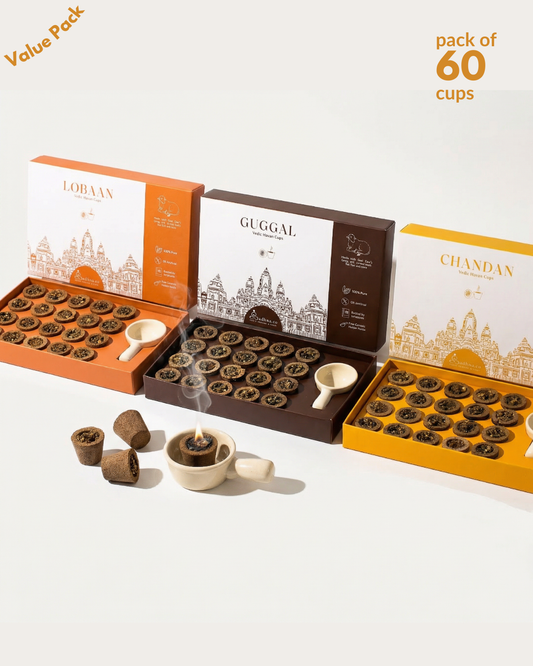
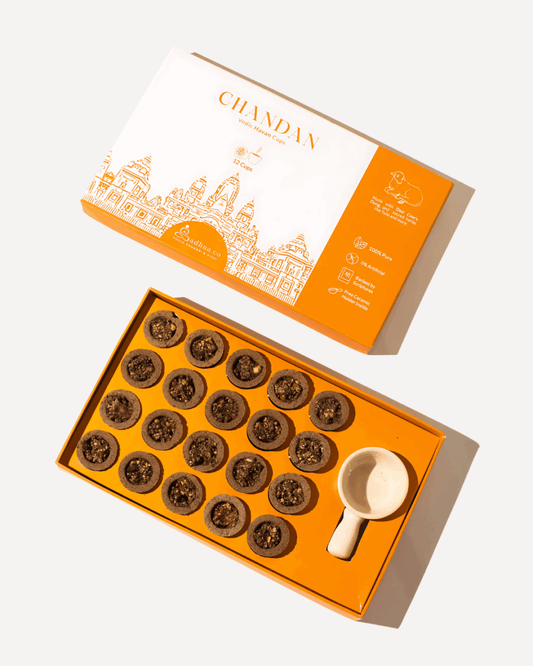
For longer ceremonies, our Dhoop Cones burn slower and hold fragrance in the room longer. And if you prefer not to burn anything, our Attar Sprays are alcohol-free and can fragrance the space without lighting anything.
Frequently Asked Questions
Q: What is the date of Devuthani Ekadashi in 2026?
Devuthani Ekadashi 2026 is on 20th November. The Ekadashi tithi begins at 7:15 AM on 12th November and ends at 6:31 AM on 21st November.
Q: What is the difference between Devuthani Ekadashi and Prabodhini Ekadashi?
Same day, two names. "Devuthani" comes from "Dev uthna" — the gods waking up. "Prabodhini" means "the awakener." Both refer to Vishnu's return from Chaturmas.
Q: Can we get married on Devuthani Ekadashi?
Devuthani Ekadashi is a fasting day, so it's not a typical wedding muhurat. But weddings and auspicious events resume from Dwadashi — the day after — as Chaturmas officially ends.
Q: What should not be eaten during the Devuthani Ekadashi fast?
Grains, rice, wheat, dal, onion, garlic, and non-vegetarian food are avoided. Most people eat fruits, milk, nuts, sabudana, and dishes made with sendha namak (rock salt).
Q: Why is Tulsi Vivah performed on Devuthani Ekadashi?
Because Vishnu's awakening on this day is the most auspicious moment for the ceremony. In some regions it's observed on Kartik Purnima (the full moon, four days later) instead.
Q: Is Devuthani Ekadashi the same as Dev Diwali?
No. Devuthani Ekadashi is on the eleventh lunar day of Kartik Shukla Paksha. Dev Diwali is on Kartik Purnima — the full moon — four days later. Both are important, but separate.
Q: Can we use incense sticks during Ekadashi fast?
Yes. Lighting incense during puja is not restricted on fasting days. It's part of the worship ritual regardless of the fast.
A Note on This Day
Devuthani Ekadashi means different things depending on where you observe it. In Maharashtra it's primarily Tulsi Vivah. In North India it signals the return of wedding season. In Vrindavan it's a major festival tied to Vishnu and Krishna worship.
What stays consistent is the sense of resumption — something paused is moving again. Whether you observe with a full ritual or just light a lamp and sit for ten minutes, it's worth marking.
About the Author: Gautam Sharma is the founder of Sadhna.co, a pooja essentials brand based in Sahibabad, Uttar Pradesh. Sadhna.co makes bambooless, chemical-free incense sticks, dhoop cones, and attar sprays for daily pooja and special rituals.